The Most Recommended Developer Frameworks for 2026
Published on 2/12/2026
Top frontend and full-stack frameworks—React, Next.js, Svelte, and more—and when to use each.
Research snapshot
Read time
~2 min
Sections
4 major sections
Visuals
3 total (2 infographics)
Sources
7 cited references
Framework choice shapes your project for years. Current 2025 ecosystem signals show continued strength for React/Next.js in production teams, while TypeScript-led workflows and performance-focused alternatives like Astro and SvelteKit continue expanding their footprint.
This guide compares leading frameworks and helps you choose based on team expertise, performance needs, and project constraints.
React and Next.js dominate the ecosystem
Next.js (React) is the default for many teams. App Router, Server Components, and static export cover most use cases. Vercel's ecosystem data highlights adoption. Use Next.js for full-stack apps, marketing sites, and dashboards. See web development services and SaaS platforms. Our development tools list Next.js and related resources.
SvelteKit and Astro: lighter alternatives
SvelteKit compiles to minimal JavaScript—ideal for apps that prioritize bundle size. Astro excels for content-heavy sites; it ships zero JS by default and supports React, Vue, or Svelte islands. Remix emphasizes web standards and progressive enhancement. Choose SvelteKit for interactive apps where size matters; Astro for blogs and marketing. Reference beginner's guide and UI design tools.
Pick based on team and project
Match framework to team experience and project needs. React/Next.js has the largest hiring pool. SvelteKit and Astro appeal to teams wanting less complexity. Consider SEO, hydration strategy, and deployment targets. Explore developer tools and programming languages for the full stack.
2026 update: latest verified benchmarks
Reviewed on 2026-02-15. These benchmarks reflect the latest verified reports available as of 2026.
- GitHub surpassed 180 million developers in 2025, with roughly one new developer joining every second (GitHub Octoverse 2025).
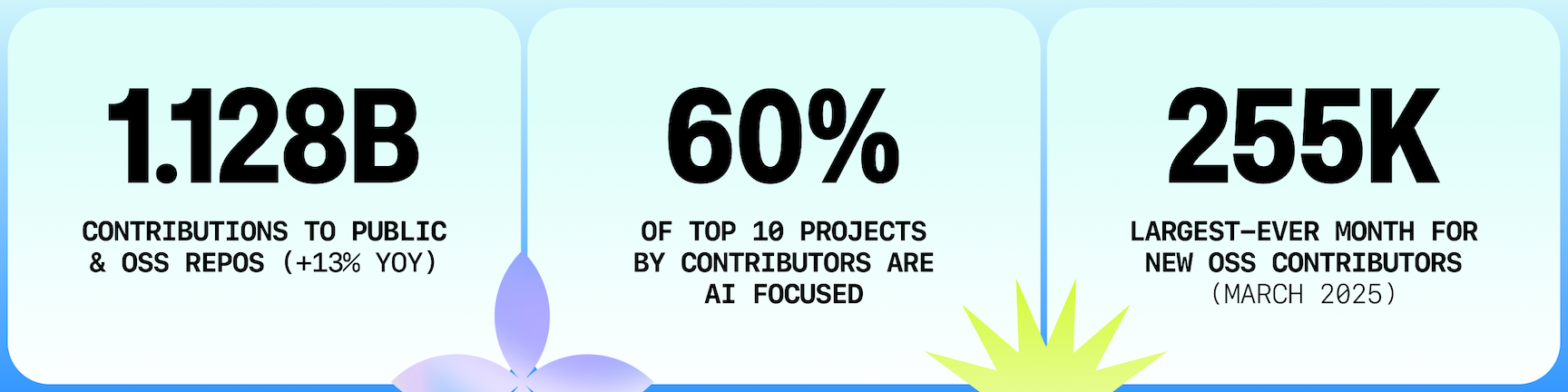
- Public and open source activity reached 1.12 billion contributions in 2025, up year over year (GitHub Octoverse 2025).
- TypeScript became the most used language on GitHub in August 2025, signaling a meaningful shift in modern production workflows (GitHub Octoverse 2025).
Use this section as the current baseline for planning and revisit the linked sources quarterly.
Next Best Step
Get one high-signal tools brief per week
Weekly decisions for builders: what changed in AI and dev tooling, what to switch to, and which tools to avoid. One email. No noise.
Protected by reCAPTCHA. Google Privacy Policy and Terms of Service apply.
Or keep reading by intent